What "handcrafted" actually means: normal variation vs a real defect

Handcrafted means a real person shaped, set, and finished the piece by hand, not a machine casting identical copies. That means small variation between pieces is normal and expected. But normal variation is a different thing from an actual defect, and it's worth knowing the difference before your piece arrives, not after.
What "handcrafted" actually means
Mass-manufactured jewelry comes from a mold or a machine, every piece from the same run is functionally identical because a machine doesn't have judgment, it just repeats. Handcrafted jewelry is shaped, filed, set, and polished by an actual person at each step. That person makes small human decisions the whole way through, exactly how much to polish a curve, exactly how a prong sits around a particular stone's exact size.
That's not a flaw in the process. It's the entire reason handcrafted pieces cost more and feel different from something stamped out by a machine. But it does mean two rings from the same design will never be pixel-identical, and that's worth setting expectations around upfront.
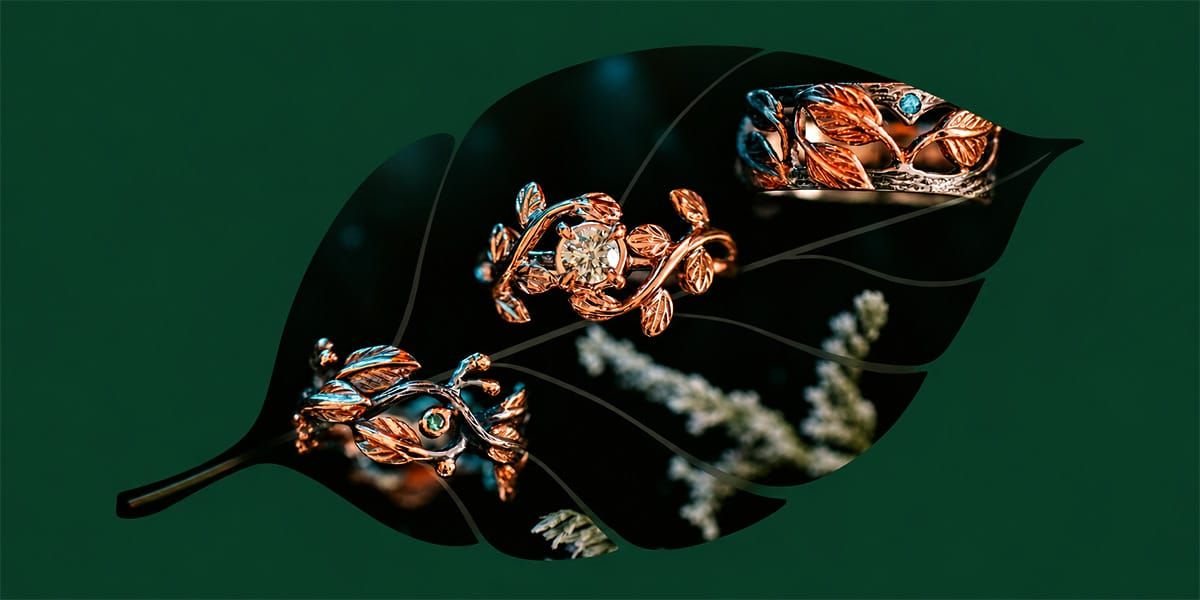
Every vanya ring is handcrafted by Filipino artisans, shaped and finished by hand from solid gold, never mass produced. Our nature-inspired designs, leaves, vines, botanical detail, actually depend on that hand-finishing to look right. A machine-cast leaf pattern looks stiff and repetitive. A hand-finished one has the same small natural variation real leaves do, which is the whole point of the design language in the first place.
What counts as normal, expected variation
- Slight texture or finish differences between two pieces of the same design, since polishing by hand isn't perfectly uniform every time
- Minor asymmetry in nature-inspired or organic designs, leaves, vines, and freeform shapes are supposed to look natural, not mechanically identical on both sides
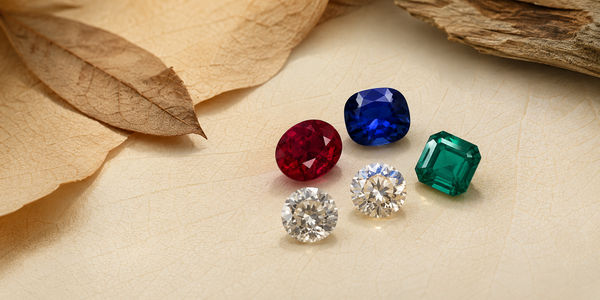
- Small color or clarity variation in natural gemstones, since no two natural stones are exactly alike, unlike lab-made materials manufactured to a uniform spec
- Tiny hand-finishing marks under close magnification, invisible at normal viewing distance, these are a sign of hand work, not carelessness
What's actually a defect, not character
- A loose, wobbling, or rattling stone. A properly set stone doesn't move, ever, regardless of design style
- A misaligned or crooked setting, prongs, pegs, or bezels that visibly don't sit straight or evenly around the stone
- Sharp, unfinished edges that catch on fabric or skin
- The wrong size shipped, when it doesn't match what was ordered and confirmed
- Visible tool marks or scratches in a spot that should be clean and finished, not blended naturally into an intentional texture
If something falls into this second list, that's not "not appreciating handmade work," that's a legitimate quality issue worth raising with whoever made it.
How to check your piece when it arrives
A few seconds is usually enough:
- Gently press on the stone from the side, it should not move or shift at all
- Look at the setting straight on, prongs or a bezel should sit evenly around the stone, not visibly tilted to one side
- Run a finger along the inside and outside of the band, it should feel smooth, no snags or sharp spots
- Compare the piece to any reference photo or sketch you approved, especially for custom orders, general shape and proportions should match
If something looks off
Contact the jeweler directly and be specific about what you're seeing, a photo helps enormously. A legitimate handcrafted jewelry business wants to know if something left their hands with an actual defect, that's different from a customer just not liking the natural variation of handmade work, and any jeweler worth buying from should be able to tell the two apart calmly and fix a real issue without an argument.
Frequently asked questions
Does handmade mean lower quality than machine-made jewelry? No, it means different, not lower. Hand-finished pieces often hold up better over decades since a skilled hand can adjust to the exact piece in front of them, but they will show natural human variation that a machine-cast piece won't.
Why don't two rings of the same design look exactly alike? Because they're each shaped and finished individually, not poured from an identical mold. Small variation is the expected result of hand work, not a manufacturing error.
Is it normal for a handmade ring to have tiny imperfections under magnification? Yes, minor hand-finishing marks invisible at normal viewing distance are completely normal. A visible structural issue, like a loose stone or crooked setting, is not the same thing.
What's a fair turnaround if a jeweler needs to fix a real defect? This varies by jeweler and how complex the fix is, but a legitimate shop should give you a clear timeline upfront rather than leaving you guessing.
If you're drawn to handcrafted work for the reasons above, the character, the natural detail, a piece that's actually shaped by hand rather than poured from a mold, that's exactly what we build. Shop vanya rings, solid gold, handcrafted by Filipino artisans, or DM us to start yours.
Tags: buying guide, handcrafted jewelry, jewelry care